


Chancellorsville
Lee’s Finest Hour
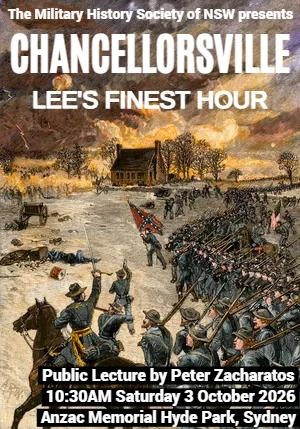 In the spring of 1863, the American Civil War stood at a crossroads. The Union Army of the Potomac possessed overwhelming strength, renewed confidence and a new commander determined to deliver a decisive blow. Opposing them was Robert E. Lee’s Army of Northern Virginia, outnumbered and undersupplied, but led by a general whose reputation had been forged through boldness and calculated risk.
What followed was a campaign defined by uncertainty, rapid manoeuvre and high-stakes decision-making. Fought amid the dark, tangled and treacherous terrain of the Wilderness of Virginia, Chancellorsville forced commanders to act with imperfect information and little room for error. It became a contest not only between armies, but between personalities, leadership styles and competing visions of how the war should be fought.
This presentation explores the strategic background to the campaign, the commanders who shaped its course, and the challenges posed by the unforgiving Wilderness. Above all, it examines why Chancellorsville remains one of the most fascinating and debated battles of the American Civil War.
About the Author
 Peter Zacharatos is an economic policy professional at the Australian Treasury and an Australian lawyer. He holds degrees in Law and Political Science from the University of Technology Sydney and combines a professional interest in policy and geopolitics with a lifelong passion for history.
A member of the American Civil War Round Table of New South Wales since the age of 14, Peter has spent many years studying military history, leadership and strategy. His presentations to the Round Table have covered subjects ranging from the campaigns of the American Civil War (such as Second Manassas, Fort Donelson and the Battle of Brice’s Crossroads), to the constitutional and legal questions arising from the conflict.
Outside his professional career, Peter is an enthusiastic traveller who enjoys visiting historic battlefields and exploring the campaigns, leaders and decisions that shaped the course of history.
Lecture Time & Venue
Saturday, 3 October 2026, 10:30AM-12:30PM, Auditorium, Anzac Memorial Hyde Park, corner Elizabeth and Liverpool Streets, Sydney CBD. Admission is free of charge but a donation would be appreciated. For further information call 0419 698 783 or email: president@militaryhistorynsw.com.au.
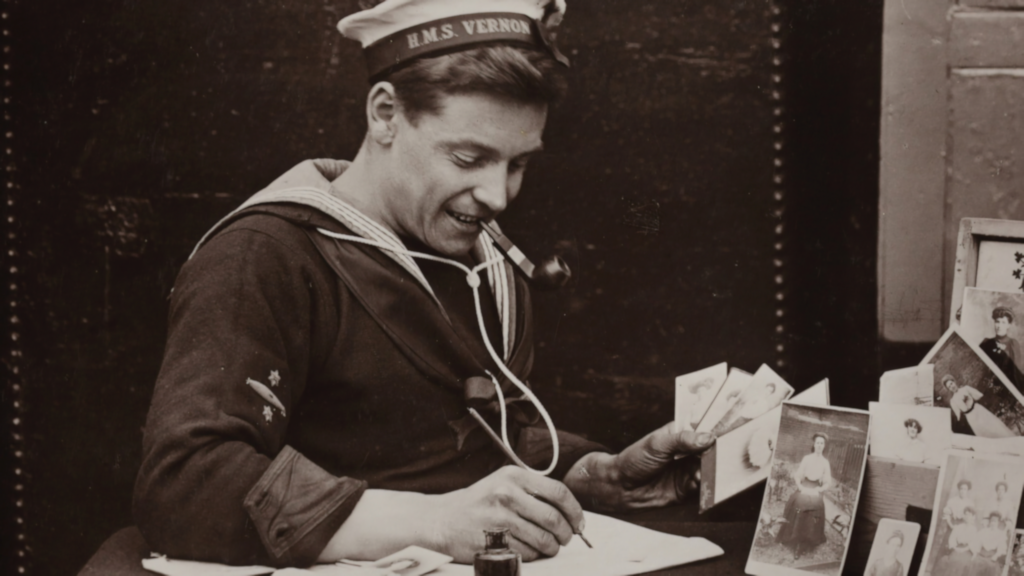
Our Venue – Anzac Memorial Hyde Park
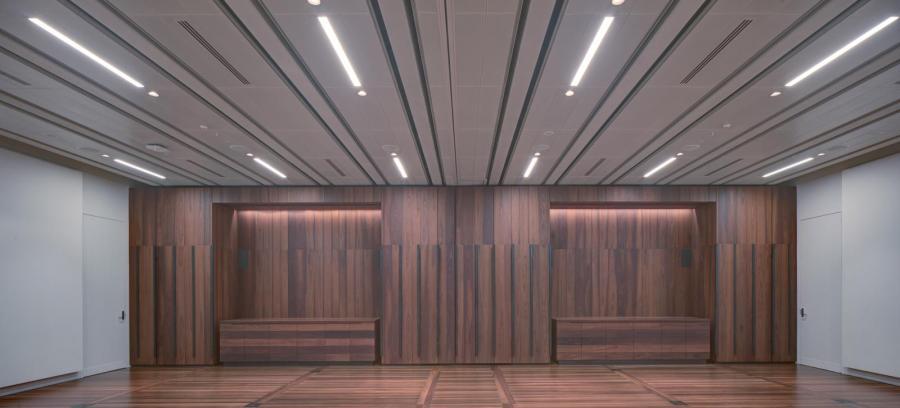
The current venue for The Military History Society of New South Wales lecture program will be the Auditorium at the Anzac Memorial Hyde Park, corner of Elizabeth and Liverpool Streets, Sydney CBD. Numerous bus services stop at the location and Museum railway station is only 160 metres away. The venue will be opening its doors at around 10:00AM.
Our Recent Lectures
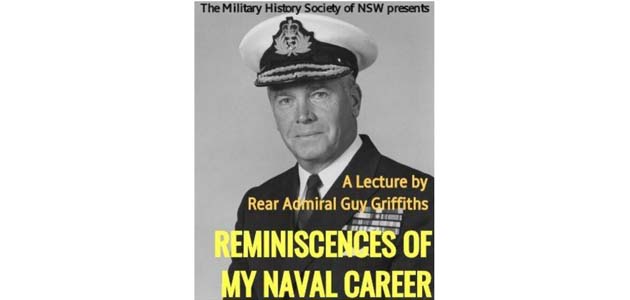
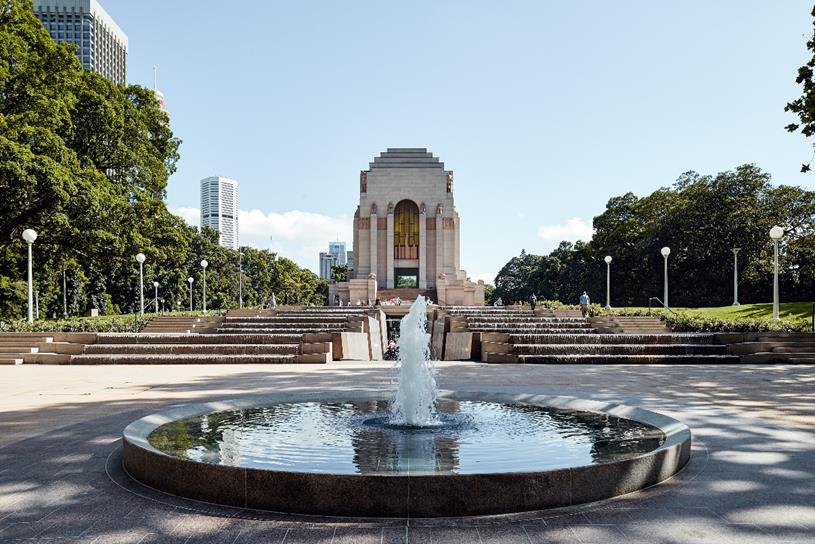
REMINISCENCES OF MY NAVAL CAREER: A lecture with Rear Admiral Guy Griffiths
Rear Admiral Guy R Griffiths AO DSO DSC RAN (Ret) is one of Australia’s most distinguished military leaders, having served in the Royal Australian Navy – with stints in the Royal Navy – from enlistment as a Cadet Midshipman in 1937, aged 13, to retirement as Rear Admiral in 1980.
WARSAW UPRISING 1944: A conversation with Les Gade
WARSAW UPRISING 1944: A conversation with Les Gade on his role as a Polish youth in the revolt against German occupation
Konfrontasi Digger 1962-66 by Col (retd) Bob Guest.
Between 1962 and 1966, Indonesia under the aggressive leadership of Sukarno ‘confronted’ the new state of Malaysia, labelling it a cloak for British imperial interests in south-east Asia.

CRIMEA 1855: How Britain built a railway to besiege Sevastopol By Colin Kay
The Military History Society of New South Wales Incorporated presents LOCOMOTIVE OF WAR: CRIMEA 1855. How Britain built a railway to besiege Sevastopol, by Colin Kay.
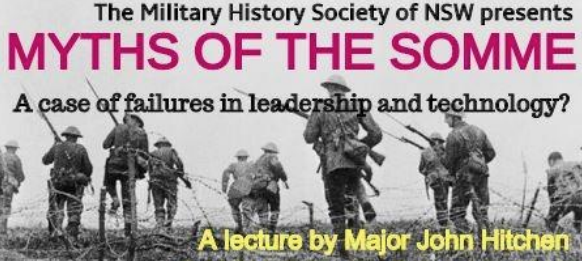
Myths of the Somme By Major John Hitchen
The Somme campaign between July and November 1916 is widely regarded as one of the greatest tragedies in British and Imperial military history.

SIEGE TOBRUK A Royal Navy Captain’s Story By Peter Poland
Captain Albert Poland of the Royal Navy recorded his Second World War service in daily notebooks including the eight-month Siege of Tobruk by Rommel’s Afrika Korps, from April to November 1941.