


The Australian Railway Companies of the Western Front, 1916-1918
A Public Lecture by Lt-Col David Deasey (retd)
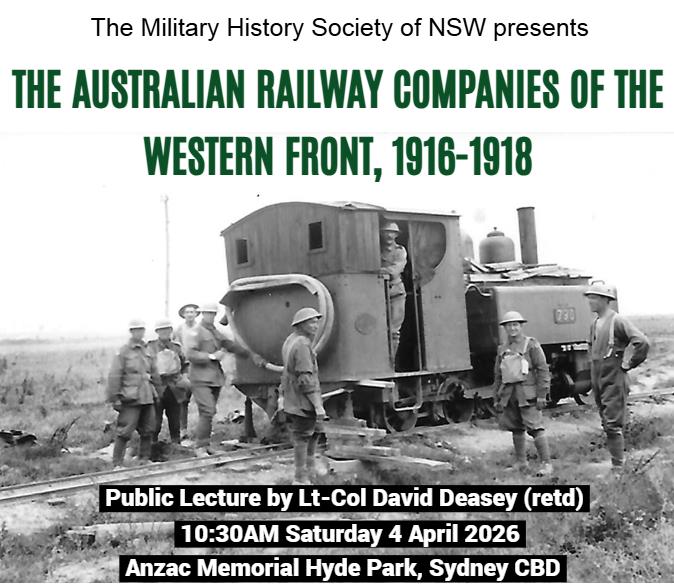 Charles Bean mentions Australia’s railway units in perhaps half a dozen places in his Official History of Australians in the Great War and then mainly in footnotes. They were never part of the initial offer by Australia to Britain in 1914. Yet by 1918, Australia had effectively deployed a railway regiment of about 1,500 soldiers operating in France. So how and why did they get there and how did a group, which despite contradicting Australian policy and initially not legally part of the Australian Imperial Force (AIF), end up being very much part of the AIF? What role did they play, and as a side issue, how did ten New South Wales Government Railways designed locomotives end up wandering about France?
About the Speaker
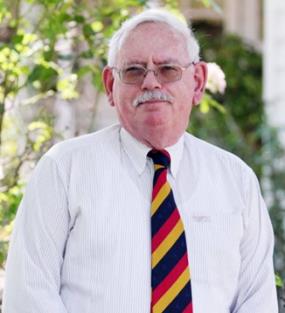 Lieutenant Colonel (retd) David Deasey RFD OAM served in the Australian Army Reserve for 33 years before retiring, and between 1995 and 1997 in the capacity of Commanding Officer of the University of NSW Regiment. He is the co-author of The History of the University of NSW Regiment 1952-2006 (2009). David is also a retired teacher having taught English and history at various schools for 37 years. In 2019 he was awarded the Medal of the Order of Australia (OAM) “for service to community history” particularly in connection with his work as chair of the National Boer War Memorial Association’s NSW Committee. He is a member of the Royal United Services Institute (RUSI) for Defence and Security Studies, New South Wales. He has spoken and written widely about military history.
Lecture Time & Venue
Saturday, 4 April 2026, 10:30AM-11:30AM, Auditorium, Anzac Memorial Hyde Park, corner Elizabeth and Liverpool Streets, Sydney CBD. Admission is free of charge but a donation would be appreciated. For further information call 0419 698 783 or email: president@militaryhistorynsw.com.au.
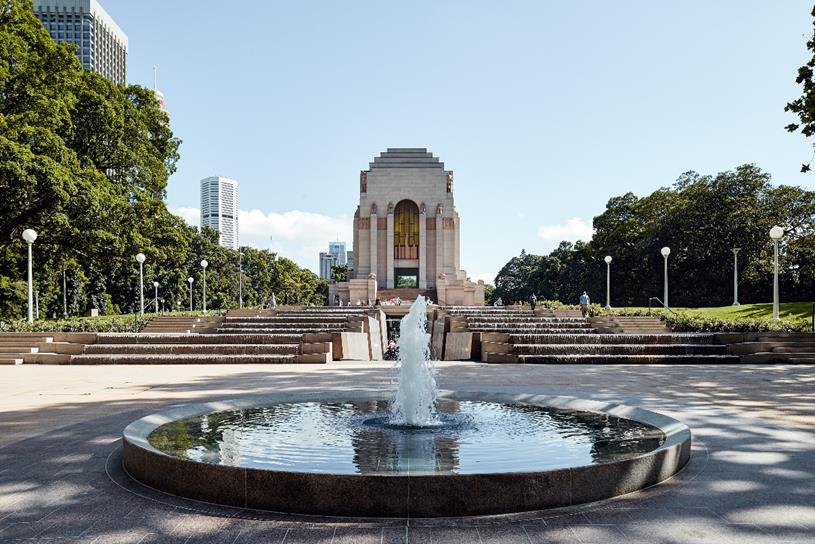
Our Venue – Anzac Memorial Hyde Park
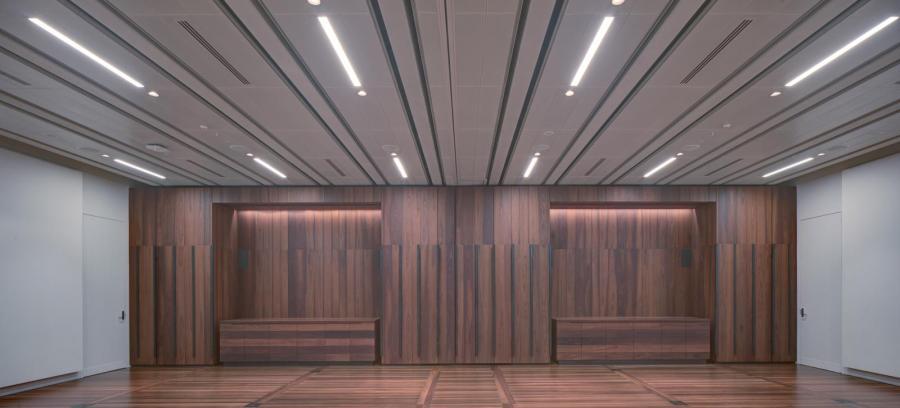
The current venue for The Military History Society of New South Wales lecture program will be the Auditorium at the Anzac Memorial Hyde Park, corner of Elizabeth and Liverpool Streets, Sydney CBD. Numerous bus services stop at the location and Museum railway station is only 160 metres away. The venue will be opening its doors at around 10:00AM.
Our Recent Lectures

SIEGE TOBRUK A Royal Navy Captain’s Story By Peter Poland
Captain Albert Poland of the Royal Navy recorded his Second World War service in daily notebooks including the eight-month Siege of Tobruk by Rommel’s Afrika Korps, from April to November 1941.
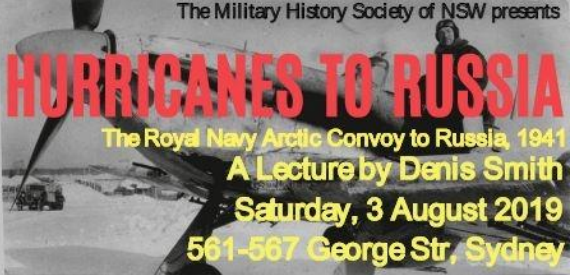
Hurricanes to Russia By Denis Smith
Denis Smith's talk tells the largely unknown story of HMS Argus, the aircraft carrier which transported 24 RAF Hurricane fighter planes to Russia in 1941.
Breakout from Normandy By Robert Muscat
This lecture is the Society’s contribution to 75th anniversary commemorations of D-Day. By end June 1944 the word most feared by Allied senior commanders and politicians was “stalemate”. US First Army and British Second Army units made few inroads into Normandy since the D-Day landings on 6 June.
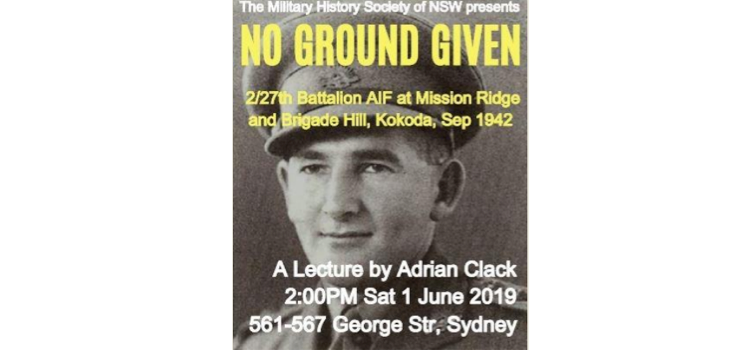
No Ground Given, 2/27th Battalion AID at Mission Ridge and Brigade Hill, Kokoda, By Adrian Clack
At the battles of Mission Ridge and Brigade Hill, 7-8 September 1942, in the legendary Kokoda Trail Campaign, three sister battalions of the AIF were together for the first time.
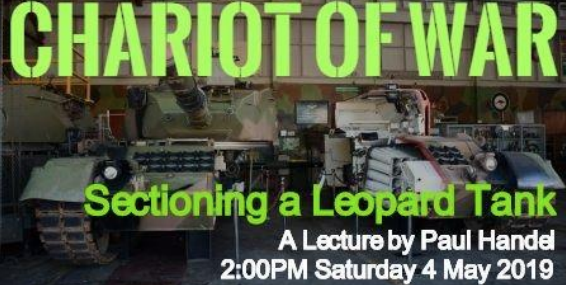
Sectioning a Leopard Tank By Paul Handel
Over three decades from 1976 to 2007 the Leopard 1 Tank was the work horse of the Australian Army’s 1st Armoured Regiment. In 2015 the Australian Army History Unit (AAHU) received support for a project to section or “cut-in-half” a Leopard Tank so that students in armoured vehicle courses could see the interior of a main battle tank.
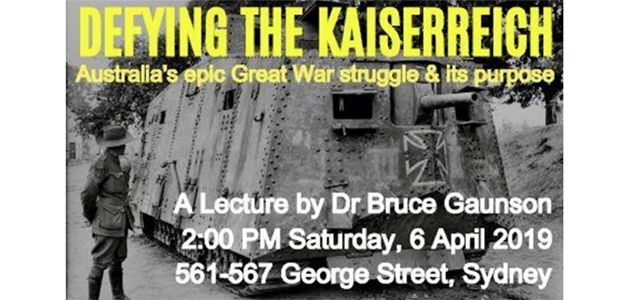
Defying the Kaiserreich by Bruce Gaunson
Did Australia have reason to fear Germany’s Pacific power? Most definitely yes argues Dr Bruce Gaunson, having examined the views of competent analysts at the time and dramatic evidence from the Kaiserreich’s records supporting those pre-1914 analysts.